Crocheting Through the Holes: A Real-World Design Review
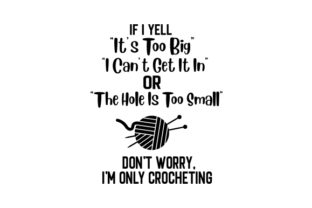
As an experienced embroidery designer and product reviewer, I always look for designs that feel authentic, visually balanced, and versatile enough to work across a range of projects. When I first saw the machine embroidery design titled If I Yell It’s Too Big, I Can’t Get It in or the Hole is Too Small, Don’t Worry I’m Only Crocheting, I was immediately drawn to its clever phrasing and playful tone. The visual layout suggests a casual, handcrafted vibe — something that resonates well with hobbyists and crafters who value personality in their handmade products.
First Impressions and Visual Personality
The phrase itself is witty and relatable, especially for those who’ve ever struggled with fit issues while crocheting. The design appears to be centered around text, possibly with some minimal graphic elements like small motifs or stitch-like details. Its structure feels intentionally laid-back, with a soft curve in the lettering that mimics the gentle flow of yarn. This kind of typography is perfect for creating a warm, approachable aesthetic without being too formal or stiff.
I imagine this design working best on larger surfaces where the message can breathe — think tote bags, sweatshirts, or even decorative pillow covers. The detail level seems moderate, so it won’t overwhelm the fabric but will still stand out when stitched properly. For an embroidered patch or sweatshirt embroidery, the design offers just the right amount of character without getting lost in complexity.
Where This Design Fits Naturally
- Tote bag design: A personalized shopper with this message could become a hit at local markets or as part of a small shop product line.
- Baby clothes or nursery decor: If adapted into a softer style, the design might even work as a whimsical addition to baby onesies or wall art.
- Holiday gifts: The humorous undertone makes it a great fit for cozy holiday items like sweaters or blankets.
- Handmade product branding: For Etsy sellers or boutique owners, this design adds charm and a personal touch that customers love.
Real-Life Embroidery Performance
Let’s say you're preparing a custom embroidered tote for your craft business. You download the digital embroidery file and open it up in your software. The next step is to visualize how it’ll translate from screen to fabric. That’s where experience comes in handy. This design has potential, but it also requires thoughtful placement and preparation.
For instance, the wording may include phrases that are longer than typical, which means careful planning is needed to ensure the entire message fits comfortably within the hoop size. If you're using a smaller hoop or working on a cap or hat, you may need to scale it down significantly, which can affect the clarity of the text and any supporting graphics.
When it comes to stitch density, this design probably uses a combination of satin stitches for the main text and fill or running stitches for any background elements. As a designer, I’d want to test these on scrap fabric before finalizing the project. Especially if you're working on stretchy or thin materials, the tension and weight of the stitches can cause puckering or distortion if not adjusted correctly.
Thread color contrast is another key factor. Depending on the fabric texture you choose — whether it's cotton, linen, or even felt — the thread colors may pop differently. A transparent PNG preview helps, but nothing beats seeing the design in action on the actual material. Always review the embroidery file in black and white mockups to check how it’ll appear on both light and dark backgrounds.
Design Versatility Across Projects
This machine embroidery design is flexible enough to adapt to various hobbies and crafts. Here’s how it might perform in different scenarios:
- Custom Apparel: Works well on sweatshirts and t-shirts, especially if the design is placed on the back or chest area. Make sure the fabric isn't too stretchy or slippery.
- Embroidered Patches: The design can be transformed into an applique-style patch for jackets or denim. Just confirm the hoop size and use proper backing stabilizer to avoid fraying.
- Pillow Covers and Aprons: These items give the design room to shine. The humor and craft theme align perfectly with home décor and kitchen wear.
- Tea Towels and Blankets: On kitchen towels or lightweight blankets, the design brings a lighthearted, artisanal feel. However, frequent washing could impact thread longevity if not backed properly.
- Etsy Listings and Boutique Branding: The message is memorable and could serve as a signature line in a collection of handmade goods. Use it consistently across design assets to build brand recognition.
Use With Caution: Practical Limitations
While the design is charming, there are several situations where extra care is needed:
- Small Hoop Sizes: Scaling the design down for a cap or tiny patch could make the text hard to read or lose important visual cues.
- Textured Fabrics: Materials like canvas or flannel can dull the appearance of fine lines or curves in the design.
- Dense Stitch Areas: If the design includes intricate fill patterns or tight rows of stitching, it may require more time and attention to prevent overcrowding.
- Curved Surfaces: Embroidering on curved areas like caps or sleeves demands adjustments in layout and stitch type to maintain shape integrity.
- Products That Need Frequent Washing: Unless the design is backed with wash-away or tear-away stabilizers, repeated laundering could lead to loosening or fading.
Customer Perception and Project Value
From a customer perspective, this design creates a sense of humor and relatability — exactly what many crafters aim for in personalized gifts. It speaks directly to the audience, making it ideal for handmade product lines that emphasize creativity and authenticity. The visual appeal is high when done right, but poor execution can make it seem amateurish or unprofessional.
As a designer, I know that stitch clarity plays a big role in perceived quality. If the text becomes blurry or misaligned after stitching, it can reduce the overall product value and customer trust. Therefore, it's essential to inspect small details and run tests before mass production.
Designer Notes for Successful Application
Before committing to a large order or client project, take these steps to ensure the best results:
- Test on Scrap Fabric: Always stitch the design on a sample piece to see how it behaves under your machine settings.
- Check Thread Color Contrast: Make sure the colors you choose stand out against the fabric and don’t clash with other design elements.
- Review Stitch Density: If the design includes dense fills or multiple layers, adjust the spacing to avoid puckering or stiffness.
- Confirm Hoop Size Requirements: Since the exact measurements aren’t provided, double-check your machine’s capabilities and the design’s footprint.
- Inspect Small Details: Look closely at the corners and edges of the design to ensure they’re clean and precise.
- Test in Black and White: This helps evaluate visibility and contrast without relying solely on color choices.
- Compare Light and Dark Backgrounds: See how the design reads on both tones to maximize its usability.
- Use Proper Stabilizer: Especially for delicate or stretchy fabrics, the right stabilizer can make all the difference in stitch quality.
- Check Licensing Terms: If you plan to sell finished products or digital versions, verify the licensing agreement to stay compliant.
Final Thoughts for Craft Businesses and Makers
Embroidery isn’t just about making something pretty — it’s about intention, precision, and knowing your tools inside out. The design If I Yell It’s Too Big, I Can’t Get It in or the Hole is Too Small, Don’t Worry I’m Only Crocheting has a clear voice and a strong thematic presence, which is great for adding personality to your craft business offerings. But like any good embroidery project, it needs thoughtful handling to reach its full potential.
Whether you're a seasoned embroiderer or new to the world of custom apparel and holiday gifts, this design serves as a reminder that mistakes happen — and sometimes, they’re just part of the process. Just don’t forget to account for fabric behavior, hoop limitations, and stitch performance when bringing it to life. Done right, it can elevate your finished product and leave a lasting impression on your customers.