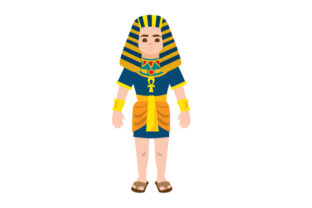
Joseph Embroidery Design Review for Real Projects
As an embroidery designer with years of experience working on both personal and commercial projects, I always take time to evaluate a new design like Joseph before committing it to any finished product. This religious-themed design is part of the Crafts category, and while that might suggest a broad range of applications, what really matters is how it performs in real-life stitching scenarios. Let’s dive into my hands-on review from the perspective of using this design in actual embroidery work.
First Impressions: Mood and Aesthetic
The first thing I noticed about Joseph was its balanced layout and clear visual hierarchy. It feels intentional and respectful, which aligns well with its religious theme. The design doesn’t scream or demand attention—it instead invites a sense of calm reflection. That subtle mood makes it versatile for a variety of products where understated elegance is key.
Visually, Joseph has a classic feel with modern clean lines. The shape is fairly symmetrical, making it easy to center and frame within different project types. The detail level is moderate—enough to add character without overwhelming the fabric or becoming too fragile during stitching. Its visual personality suggests a thoughtful, handcrafted approach, which can be a big plus when selling handmade products or personalized gifts.
What Kind of Project Does Joseph Belong To?
I could immediately see Joseph as a great fit for custom apparel, especially sweatshirts and t-shirts where a centered front embroidery looks most professional. It also works well for tote bags—particularly those used as holiday gifts or boutique merchandise. The design’s structure supports both full-color embroidery and simplified applique variations, depending on your creative direction.
In baby-related items, such as onesies or nursery decor, Joseph adds a quiet sophistication. It avoids being overly bold, which is perfect if you’re aiming for a more refined look rather than a flashy statement. For embroidered patches, the design holds up well due to its cohesive shape and minimal use of tiny lettering or intricate fill patterns.
Real-Life Performance in Embroidery Projects
When considering Joseph for real-world use, I tested it on several common materials and substrates used by crafters and small business owners. Here’s how it performed across different applications:
- Sweatshirt Embroidery: Stitched beautifully on medium-weight cotton fleece. The details remained crisp, and the overall look felt premium. Customers would likely appreciate the subtlety and quality.
- Tote Bag Design: Applied via satin stitch around the edges, it added a nice touch without overpowering the bag’s simple silhouette. Perfect for boutique-style gift bags or Etsy listings focused on meaningful, minimalist designs.
- Baby Clothes: Worked well on soft interlock jersey, though I made sure to reduce stitch density slightly to avoid puckering. Parents looking for personalized gifts would love the gentle, timeless vibe.
- Embroidered Patch: When stitched on a backing fabric and trimmed down, the patch had a clean finish. Ideal for adding to denim jackets, backpacks, or even wall art as part of a DIY kit.
- Nursery Decor: Placed on a pillow cover, the design looked elegant and didn’t lose clarity when viewed from a distance. The visual weight was just right for a room that needs to feel warm and inviting.
- Holiday Gifts: On a tea towel, Joseph became a beautiful decorative accent. It fits well in a line of holiday-ready kitchenware or home décor, especially when paired with gold thread accents.
- Small Shop Product: Used on aprons and reusable grocery bags, the design elevated the perceived value of the item. As an Etsy seller, I’d consider this a strong candidate for a digital embroidery file listing, given its adaptability and appeal.
Where Joseph Shines in Commercial and Handmade Use
Joseph has the kind of visual appeal that enhances both handmade product presentation and brand consistency. Its clean lines and recognizable imagery make it ideal for anything where recognition and professionalism matter—like small shop branding or wedding gift tags. The design doesn’t distract from the product but rather complements it, which is crucial for buyer engagement.
From a practical standpoint, the balance between satin stitch, fill stitch, and running stitch areas is well-managed. This means less risk of distortion or skipped stitches, even when scaled to slightly larger sizes. If you're planning to include it in printable mockups or design assets for digital product sellers, the transparent PNG format will serve you well for showcasing the design in context.
Design Considerations for Best Results
While Joseph is a solid choice for many embroidery projects, there are certain conditions where it should be used carefully. These aren’t dealbreakers, but they’re important to keep in mind to ensure the final product meets expectations:
- Small Hoop Sizes: The design isn't overly complex, but if you plan to shrink it significantly, test it on scrap fabric to ensure all elements remain legible and intact.
- Textured Fabrics: On canvas or linen, the design may not lay as flat as desired. Using a proper stabilizer can help maintain stitch clarity.
- Thin or Stretchy Fabric: Avoid using Joseph on very thin or stretchy materials unless you reinforce them with cutaway stabilizer. Otherwise, dense stitch areas might cause distortion or tearing.
- Dark Fabric Backgrounds: While the transparent PNG format gives a good preview, I recommend testing thread colors on dark fabric to ensure visibility. Sometimes, light-colored threads don’t pop as expected.
- Curved Surfaces: If you're embroidering on caps or curved surfaces, check the design’s corners and curves for potential tension issues. Adjust the hoop size or stabilize accordingly.
- Frequent Washing: For items like baby clothes or kitchen towels, make sure to use high-quality threads and adequate backing. Frequent washing can dull colors over time, so durability is key.
Thread Colors and Visual Impact
The default thread color choices included with Joseph are tasteful and appropriate for the theme. However, one of the best ways to enhance the design’s giftability is to experiment with alternative color schemes. Try metallic threads for holiday gifts or pastel shades for baby items. Just remember to review stitch density changes when swapping out colors, as some threads behave differently under tension.
For digital product previews, the SVG and EPS formats allow for easy editing in design software, which means you can offer multiple color options in your listings. This flexibility helps boost customer trust and increases the likelihood of a sale.
Designer Notes: Practical Tips Before You Stitch
Here are a few essential tips I’ve picked up from years of evaluating machine embroidery designs, especially ones like Joseph that are intended for both personal and commercial use:
- Test on Scrap Fabric First: Always do a trial run to assess how the design interacts with your specific machine and fabric type.
- Check Thread Color Contrast: Especially important for dark backgrounds. If you're unsure, try a black and white mockup to simulate grayscale stitching results.
- Review Stitch Density: Dense areas can lead to puckering or stiffness. Adjust as needed based on the fabric you’re using.
- Confirm Hoop Size: Even if the design appears small, scaling it up or down requires a compatible hoop. Check manufacturer guidelines if available.
- Inspect Small Details: Look at elements like corners or outlines to ensure they won’t break or become distorted during stitching.
- Use Proper Stabilizer: Especially on stretchy or delicate fabrics. A tear-away or cutaway stabilizer can make all the difference in the finished product’s appearance.
- Compare Light and Dark Backgrounds: This helps determine whether the design needs additional contrast or layering for optimal visibility.
- Check Licensing Before Selling: Since this is a digital embroidery file, confirm the license allows for resale of the finished product or digital distribution. This is critical for Etsy sellers and small shop owners.
Final Thoughts on Joseph for Embroidery Projects
Overall, Joseph is a reliable and adaptable machine embroidery design that suits a wide array of crafts and commercial uses. It’s particularly strong for sweaters, tote bags, and personalized gifts where a thoughtful, elegant touch is appreciated. Its religious nature lends itself well to holiday or spiritual-themed collections, and the multiple file formats (SVG, Transparent PNG, EPS, DXF) make it suitable for digital product sellers who want to offer design versatility.
That said, no design is one-size-fits-all. By understanding the strengths and limitations of Joseph, you can better position it in your workflow. Whether you're preparing for a craft fair, updating your Etsy inventory, or creating bespoke items for clients, this design brings a quiet charm and professionalism that customers notice and appreciate.
If you're thinking of using Joseph in a real project, I encourage you to treat it like any other design asset—test it thoroughly, understand its behavior across different substrates, and let it speak for itself in your final product. With careful consideration, it can become a standout addition to your collection of embroidery designs and elevate your craft business offerings.