Label Frames: A Designer’s Perspective on Real Embroidery Projects
When I first downloaded Label Frames, I was curious to see how these digital assets would translate into actual embroidered projects. As a designer who regularly works with machine embroidery for both personal and commercial use, I know that the visual appeal of a design is only part of the equation—how it performs in real stitching scenarios matters just as much.
First Impressions and Visual Personality
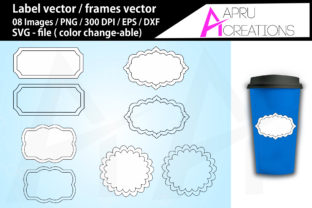
The set includes 8 PNG images with transparent backgrounds, plus SVG, EPS, and DXF files—all high quality and vector-based, at 300DPI. Right off the bat, I noticed the clean lines and minimalistic framing style, which immediately gave me an idea of where this could shine best. These are not busy or overly detailed designs; they’re more like elegant containers for text or logos. The mood they create is professional yet approachable, making them ideal for branding, personalized gifts, or small shop merchandise.
Each frame feels intentional. They’re structured but not stiff, versatile enough to wrap around handwritten names, company titles, or even short phrases. The transparency of the PNGs allows for easy integration into mockups and digital product previews, which is a big plus if you're selling digital embroidery files or printable templates online.
Real-Life Application: Tote Bag Design
I decided to test Label Frames on a custom tote bag design. My goal was to place a customer name inside one of the frames for a personalized gift. The frame acted as a subtle highlighter, guiding the eye toward the text without overwhelming the rest of the design. It added a touch of sophistication—perfect for someone looking to elevate their handmade products beyond a basic monogram.
What stood out was how well the shapes maintained their integrity when converted into stitch patterns. The corners were smooth and precise, and the overall layout didn’t require too many adjustments to fit within a standard hoop size. That said, I did notice that smaller frames might need careful placement, especially if you're working with tight spaces or curved surfaces like caps and hats.
Custom Apparel and Baby Items
Label Frames also worked surprisingly well for sweatshirt embroidery and baby clothes. For a holiday gift project, I used one to encase “Happy Holidays” across the chest of a onesie. The frame provided a nice contrast without being too bold, which is important for delicate items like baby wear. The soft curves of the frames complemented the gentle nature of the fabric, and the stitch density remained low enough to avoid puckering.
However, I had to be cautious with stretchy fabrics. Even though the design itself is simple, the way it interacts with knit materials can affect the final outcome. Stretchy fabric tends to distort under tension, so I recommend using a tear-away stabilizer underneath and testing on a scrap piece before committing to a client order.
Where Label Frames Shine and Where to Be Careful
These machine embroidery designs are excellent for adding structure and elegance to your embroidered patch or custom apparel. Their minimalist nature makes them adaptable for a wide range of uses—from a boutique logo stitched onto a denim apron to a hand-lettered message on a linen pillow cover. But there are some limitations worth noting:
- Small Hoop Sizes: While the frames themselves aren’t huge, placing them in very compact areas can reduce legibility and detail clarity. Always confirm your hoop size before starting.
- Textured Fabrics: On canvas or felt, the fine details may not show up as cleanly. You’ll want to review stitch density and adjust accordingly.
- Thin or Delicate Fabric: The outlines of the frames can sometimes get lost on lightweight materials unless you use contrasting thread colors.
- Dark Backgrounds: Black or navy fabric will make the frames less visible unless paired with light-colored threads or white outlines.
- Curved Surfaces: Patches on caps or curved parts of garments may require resizing or repositioning to maintain symmetry after stitching.
One of my favorite aspects of Label Frames is how they enhance handmade presentation. Whether you're creating a line of small shop products or designing for an Etsy seller, these frames help establish a sense of care and intentionality. Customers respond positively to that kind of detail—it signals professionalism and thoughtfulness.
Design Notes for Embroidery Use
Before using any digital embroidery file, I always do a few quick checks. Here's what I recommend:
- Test on Scrap Fabric First: Especially if you're new to the design or using it on an unfamiliar material.
- Check Thread Color Contrast: Make sure the frame stands out against the garment. Light vs. dark fabric combinations can drastically change the look.
- Review Stitch Density: Low-density stitch settings work best for these kinds of graphic-style frames. Too dense and they can pucker or flatten.
- Confirm Hoop Size: Ensure your chosen hoop can accommodate the full frame and any text or graphics you plan to include inside it.
- Inspect Small Details: If the frame has intricate edges or tiny embellishments, check whether your embroidery machine supports those features.
- Test in Black and White Mockups: This helps determine if the design still looks good without color, which is helpful for grayscale or tonal prints.
- Compare Light and Dark Fabrics: See how the frame reacts visually. Sometimes, the same design can feel completely different depending on the background.
- Use Proper Stabilizer: Especially on woven or thin materials, the right stabilizer can keep everything from shifting during the stitch process.
- Confirm Licensing Before Selling: Since these are design assets, make sure you have the proper license if you intend to sell finished items or digital embroidery files.
Visual Appeal Meets Practicality
Embroidery isn’t just about making something pretty—it needs to hold up over time. After several washes, I found that the frames retained their shape and didn’t fray or lose definition. That’s reassuring for anyone selling finished products that customers will use daily, like tea towels or aprons.
From a branding perspective, Label Frames offer consistency. If you're an Etsy seller or running a craft business, having a uniform frame style across all your personalized gifts can help build brand recognition. Customers start to associate the look with your style, which increases trust and repeat sales.
Decorative Accents and More
I’ve also used Label Frames as decorative accents rather than text holders. Placing them subtly along the hem of a sweatshirt or as a border around a running stitch pattern gave the project a refined finish. They act as visual punctuation, helping to break up large areas of stitching and add balance to the composition.
But again, caution is needed. If you're layering multiple embroidery files on the same area, the frame could become muddled or lost. Use it as a standalone feature or pair it with simpler text and fill stitches for the best results.
Final Thoughts for the Busy Designer
Label Frames are a solid addition to any embroidery library. They don’t demand attention, but they do provide a level of polish that can transform a simple handmade product into something memorable. From a practical standpoint, they work well across various formats—SVG, EPS, DXF, and PNG—and their vector-based nature ensures scalability without loss of quality.
As a reviewer who values real-world application, I appreciate that Label Frames are designed with versatility in mind. They’re not flashy, but they serve a purpose. When used correctly, they can improve product value, increase customer trust, and contribute to a more professional finished product.
If you're considering these for your next embroidery project, take the time to evaluate your fabric choices and intended use. They may not be perfect for every scenario, but when placed in the right context—like a tote bag, a holiday gift, or a boutique-branded item—they can really shine.