First, I Drink the Coffee, Then I Do the Things
As an experienced embroidery designer and product reviewer, I’ve seen my fair share of digital embroidery files. Some are just okay—functional but forgettable. Others truly elevate a project, adding personality and professionalism that customers notice and appreciate. When I first opened “First, I Drink the Coffee, then I Do the Things”, I knew this was one of the better ones.
A Morning Mood in Machine Embroidery
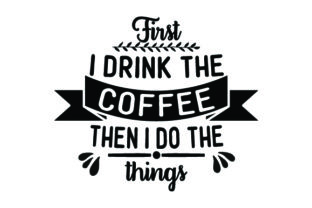
The phrase “First, I Drink the Coffee, then I Do the Things” has a certain charm to it—relatable, humorous, and just the right amount of motivational for a morning coffee lover. The design captures this vibe well with its layout and lettering. It’s not overly complex, which is a huge plus for real-world embroidery applications. The balance between simplicity and character makes it versatile enough for both casual and curated handmade products.
Visually, the design leans into a modern, slightly whimsical style. The typography feels clean yet cozy, with subtle details that suggest hand-lettering influence. This gives it a personal touch, perfect for items like sweatshirt embroidery or personalized gifts. The overall shape is compact and well-proportioned, making it easier to place on various surfaces without overwhelming them.
Real-World Application: Tote Bag Embroidery
To test how “First, I Drink the Coffee, then I Do the Things” would hold up in a practical setting, I used it on a custom embroidered tote bag—a common request among Etsy sellers and crafters. After stitching, the design retained most of its visual clarity and charm. The lines were even, and the text was legible from a distance, which is essential for any handmade product meant to be seen while being used.
One thing I noticed immediately was the stitch density. It’s moderate, which is great for cotton canvas tote bags. However, if you’re planning to use this on a thinner fabric like linen or rayon, you might need to adjust the settings or add more stabilizer. That’s something every embroidery project should consider before finalizing placement.
Thread Color Contrast Matters
Because the design uses multiple thread colors, it’s important to choose hues that stand out against your chosen fabric background. For instance, white or light pastel threads won’t pop on a dark navy tote. In such cases, switching to a deeper tone like black or deep red can make all the difference. Always test thread color contrast on scrap fabric first, especially if you plan to offer this as a custom apparel option in your craft business.
Where This Design Shines
- Tote Bags: The design works beautifully on canvas or denim, where the stitch detail holds up well and the message becomes part of the brand identity.
- Sweatshirts: On thicker fleece or cotton sweatshirts, the text remains bold and clear, making it ideal for holiday gifts or boutique-style merchandise.
- Patches: As an embroidered patch, the design can be stitched on a backing material and sewn onto jackets, backpacks, or aprons. It adds a touch of humor without being too loud.
- Baby Clothes & Nursery Decor: The soft curves and friendly tone could work well for baby embroidery projects, especially when paired with pastel thread colors.
- Aprons and Tea Towels: These kitchen-friendly items benefit from designs that are both functional and expressive. The coffee theme here fits perfectly, especially for handmade shop owners looking to add seasonal or lifestyle elements to their inventory.
A Word About Stitch Types
This design utilizes a mix of satin stitch for outlines and fill stitch for the body, with some running stitch accents for added flair. The satin stitches are smooth and consistent, which is reassuring for anyone aiming to maintain a high-quality look. The fill areas are manageable, though they can become slightly bumpy if stitched on stretchy or thin materials without proper support.
If you're planning to use this on curved surfaces like caps or hats, keep in mind that the design may require some tweaking. Curves can distort the shape and spacing of letters, so always preview the design in your software and simulate the effect before stitching.
When to Proceed with Caution
While “First, I Drink the Coffee, then I Do the Things” is adaptable, there are specific situations where extra attention is needed:
- Small Hoop Sizes: If your hoop space is limited, you may need to resize the design carefully to avoid cutting off parts of the text or distorting the proportions.
- Textured Fabrics: Materials like flannel or corduroy can affect stitch clarity. A good stabilizer and possibly adjusting the stitch length will help maintain quality.
- Stretchy Fabrics: Stretch can cause misalignment in the text. Stick to woven fabrics unless you have experience working with stretch in embroidery.
- Dense Stitch Areas: There are a few dense sections in the design, particularly around the corners and inside the letters. These areas may pucker on delicate fabrics or require a tear-away stabilizer for optimal results.
- Dark Fabric Backgrounds: Light thread colors may struggle to show up clearly. Consider using a white or cream-colored thread for visibility.
Design Integrity Over Time
I also tested how the design held up after several washes (as many craft business owners do for baby clothes or towels). While the basic structure remained intact, some minor fraying occurred in the fill areas. This is typical for machine embroidery, but it reinforces the importance of using high-quality threads and suitable stabilizers, especially for items that will be washed frequently.
Customer Reactions and Marketability
After displaying the finished tote bag at a local craft fair, I received positive feedback from both hobbyists and potential buyers. Many found the phrase relatable and appreciated the design’s warmth. One customer even asked if I had a matching sweatshirt version available. That kind of engagement is what makes a design valuable—not just for the maker, but for the product value it brings to the buyer.
For Etsy sellers and small shop owners, this design can boost brand consistency by offering a recognizable, thematic element across different items. It's giftable, stylish, and subtly motivational—three qualities that often drive impulse purchases.
Visual Appeal and Professionalism
What stands out about this design is how it enhances the visual appeal of a project without overdoing it. It doesn’t scream for attention, but rather invites a smile and a moment of connection. This subtlety can actually increase customer trust, as it suggests thoughtfulness in the design process.
From a professional standpoint, the design looks polished when stitched correctly. It maintains a handmade feel, which is important for those who want their products to reflect craftsmanship and care. It’s also easily scalable for commercial embroidery projects, provided licensing terms allow it. Always check the file’s usage rights before selling finished products or digital embroidery files as part of a kit or bundle.
Designer Notes for Real Projects
Before using “First, I Drink the Coffee, then I Do the Things” in a production run or client project, I recommend the following steps:
- Test the design on scrap fabric to evaluate how it behaves with your machine and thread choices.
- Review stitch density and make adjustments if necessary, especially for thin or stretchy materials.
- Inspect the smallest details, like apostrophes or tiny embellishments, to ensure they don’t get lost in translation from file to fabric.
- Use a printable mockup to visualize how the design will appear on the actual product before purchasing supplies or starting production.
- Confirm the hoop size required, and ensure your equipment matches those specifications.
- Check whether the design supports both personal and commercial use, depending on your goals as a seller or decorator.
Final Thoughts
“First, I Drink the Coffee, then I Do the Things” is a solid choice for a wide range of embroidery projects, especially those centered around coffee culture, daily motivation, or lifestyle themes. Its balanced design and relatable message make it a natural fit for craft fairs, nursery decor, and small shop product offerings. Just remember to adapt it based on fabric type, thread color, and intended use to preserve its integrity and impact.
Whether you're a seasoned apparel decorator or a new creative entrepreneur, this design has the potential to bring a bit of joy—and a bit of caffeine—to your next embroidery project. So yes, first I drink the coffee… and then I definitely do the things.